
Introduction
Choosing the right location for investment in the UAE has become increasingly important in 2026. Dubai and Ras Al Khaimah stand out as two of the most attractive emirates for investors from around the world. Both offer compelling opportunities, but each has a distinct profile, advantages, costs, and strategic value. Whether you are an entrepreneur starting a new business, a real estate investor seeking solid returns, or a company looking to expand regionally, understanding the differences between Dubai and Ras Al Khaimah can help you make a more informed decision.
This article explores the investment landscape in both Dubai and Ras Al Khaimah in 2026. It covers economic drivers, key sectors, regulatory frameworks, living conditions, costs, taxation, risks, and practical considerations. By the end, you will have a clear understanding of how these two emirates compare and which aligns better with your investment goals.
Economic Overview of Dubai
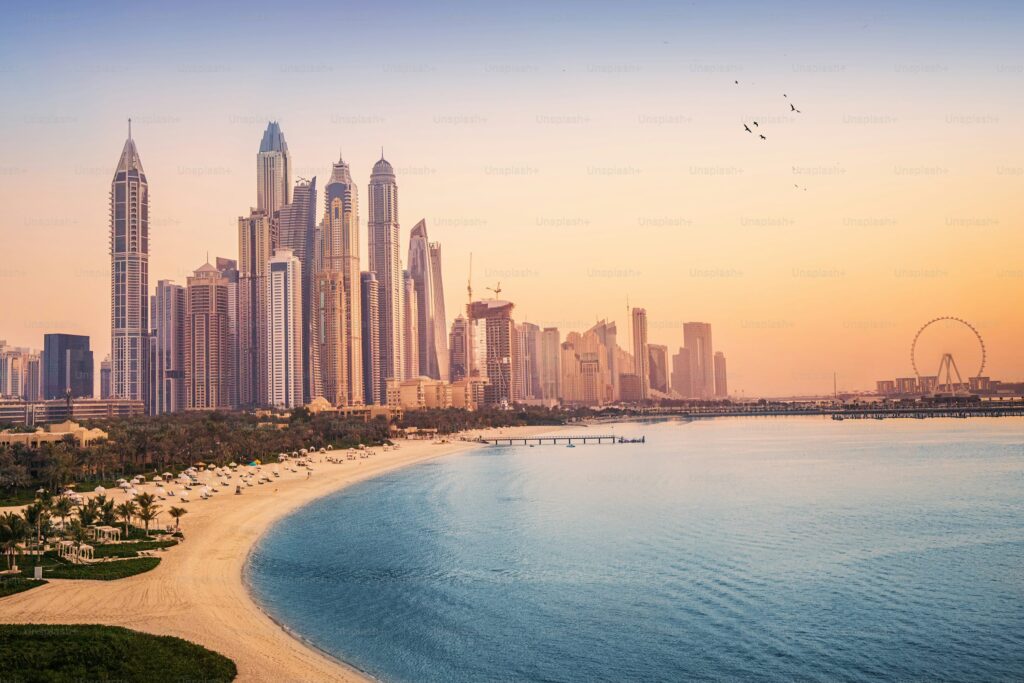
Dubai is one of the most dynamic economies in the Middle East. It has diversified aggressively away from oil over the last three decades. Today, its economy is driven by trade, real estate, tourism, logistics, financial services, technology, and entertainment.
Dubai has established itself as a global business hub with world class infrastructure. Its strategic location between Asia, Europe, and Africa enables easy access to major markets. The emirate is home to one of the busiest airports and one of the largest ports in the world. These logistics strengths make it an attractive base for international companies.
Dubai’s business environment is highly competitive and well regulated. The government promotes innovation through initiatives that focus on digital transformation, sustainability, smart cities, and future technologies. Investors benefit from access to a large expatriate population and strong domestic demand.
Economic Overview of Ras Al Khaimah
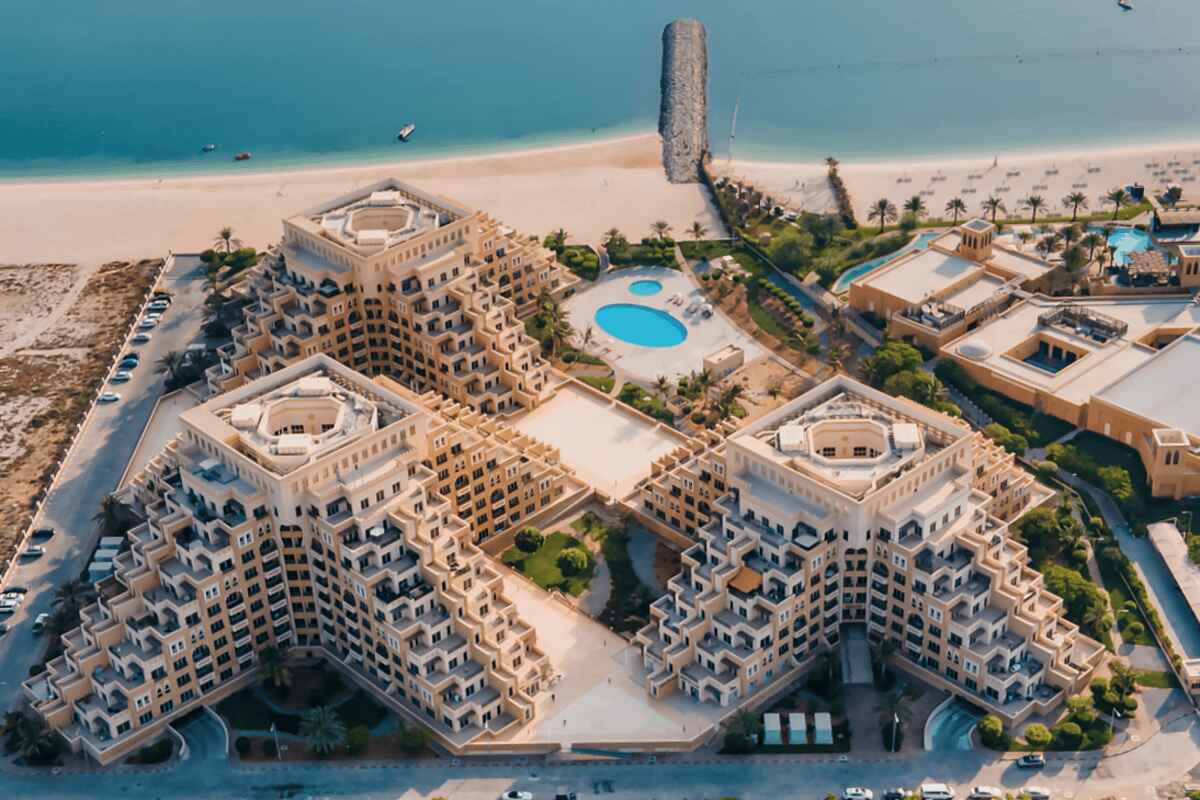
Ras Al Khaimah, often referred to simply as RAK, has emerged as a meaningful investment destination with a focus on industry, tourism, manufacturing, and real estate. RAK’s economy historically relied on sectors such as cement, ceramics, and quarrying. Over time, the emirate diversified into tourism, education, and light manufacturing.
RAK attracts investors with its cost competitive environment and strategic incentives. It is positioned as an alternative to Dubai with a more relaxed pace of business and lower operating costs. The government of RAK has worked to improve infrastructure, develop free zones, and promote investment through targeted economic policies.
Tourism in RAK is growing steadily with attractions such as mountain resorts, beaches, adventure experiences, and cultural sites. The emirate’s relaxed lifestyle and scenic environment are appealing to families, retirees, and investors looking for long term opportunities.
Business Setup and Regulatory Environment in Dubai
Dubai offers a well established and sophisticated regulatory environment. Investors can choose to set up in the mainland or in one of many free zones. Each option has its own licensing requirements, ownership structures, and operational rules.
In the mainland, foreign investors benefit from full ownership rights in most sectors following recent reforms. Companies operating on the mainland have the freedom to trade directly within the local market without needing a local sponsor in many cases. The regulatory environment is supported by transparent laws, efficient government services, and fast processing times.
Dubai’s free zones cater to specific industries such as technology, media, healthcare, logistics, and finance. In most free zones, investors enjoy full ownership, tax benefits, simplified company formation, and ready made facilities. Dubai’s regulatory framework is focused on encouraging entrepreneurship, protecting investors, and maintaining a competitive marketplace.
Business Setup and Regulatory Environment in Ras Al Khaimah
Ras Al Khaimah also offers investor friendly regulations, particularly in its free zones. The most notable free zone in RAK is the Ras Al Khaimah Economic Zone. It has become popular for manufacturing, trading, consulting, and service companies due to lower setup costs and simple compliance requirements.
RAK allows full foreign ownership across most sectors in free zones and has streamlined procedures for company incorporation. Investors can benefit from long term licenses, flexible office solutions, and support services tailored to business needs.
Regulatory processes in RAK are designed to be accessible to small and medium enterprises. While not as internationally connected as Dubai, RAK’s regulatory environment provides a strong foundation for local and regional business activities with fewer bureaucratic hurdles.
Real Estate Investment in Dubai
Real estate is one of the most prominent investment sectors in Dubai. The property market in 2026 is characterized by strong demand from both domestic and international buyers. Dubai real estate offers a range of investment options including residential apartments, villas, commercial space, retail properties, and industrial land.
Investors are attracted to Dubai by its growing population, rental yields, and regulatory protections. The government has implemented property ownership laws that allow foreign nationals to own freehold properties in many designated areas. Dubai’s real estate market is supported by robust demand from expatriates, corporate relocations, tourism, and long term growth projections.
The emirate also offers developer payment plans, mortgage financing options, and supportive infrastructure projects that enhance property values. Dubai’s real estate sector is transparent, with market data available for investors to make informed decisions.
Real Estate Investment in Ras Al Khaimah
Real estate investment in Ras Al Khaimah is a growing opportunity, especially for investors seeking cost advantages. Property prices in RAK are generally lower than in Dubai. This provides a lower entry point for both residential and commercial investors.
RAK’s real estate market is supported by demand from families, retirees, and long term residents seeking a quieter lifestyle. The emirate has developed a range of housing projects, waterfront communities, and resort style properties. Rental yields can be attractive in selected areas, particularly where tourism and expatriate demand is increasing.
While the market is smaller and less liquid compared to Dubai, RAK real estate presents an opportunity for investors focused on long term capital appreciation and rental income in a less saturated environment.

Costs of Doing Business in Dubai
Cost is a major factor when considering investment locations. Dubai is known for higher operating costs. These include office rents, staff salaries, utilities, licensing fees, and professional services. Real estate prices, especially in prime areas, are among the highest in the region.
Taxes in Dubai remain attractive with no personal income tax and no corporate tax for most activities below certain revenue thresholds. However, value added tax and regulatory fees still apply. Business costs must be carefully planned to ensure profitability.
Despite higher costs, Dubai’s strong economic ecosystem, access to capital, and growth potential often justify the investment expenditure for many companies and investors.
Costs of Doing Business in Ras Al Khaimah
Ras Al Khaimah offers a lower cost environment compared to Dubai. Office space, industrial land, housing, and general operational expenses are more affordable. Licensing and renewal fees are typically lower, and living costs for staff can also be more competitive.
RAK’s lower cost structure makes it attractive for startups, small and medium enterprises, and companies bootstrapping their operations. Investors can allocate more capital to growth activities rather than fixed overheads. This can be an advantage for businesses with limited initial budgets.
While access to international talent and certain advanced services may be more limited than in Dubai, RAK’s cost efficiency remains a compelling reason for investment.
Human Capital and Talent Access
Dubai is a global magnet for talent. The emirate attracts professionals from around the world across industries including finance, technology, healthcare, hospitality, and logistics. This makes it easier for companies to recruit specialized skills and scale operations quickly.
Dubai also hosts major international events, conferences, and networking forums that foster knowledge exchange and business growth. The availability of educational institutions, international schools, and diverse cultural amenities further enhances its appeal for professionals and families.
In contrast, Ras Al Khaimah has a smaller talent pool. While it attracts skilled workers, especially in sectors like hospitality, manufacturing, and education, the depth and variety of talent are not as extensive as in Dubai. Companies in RAK may need to invest more in talent attraction and retention strategies.
Infrastructure and Connectivity
Dubai’s infrastructure is world class. Its airports, seaports, roads, logistics hubs, and digital networks are designed to support high volumes of business activity. Dubai’s connectivity to global markets is among the best in the world. This is a key advantage for companies involved in trade, logistics, tourism, and international services.
Ras Al Khaimah has improved its infrastructure significantly in recent years. The emirate has modern transport networks, ports, and industrial facilities that support local and regional business needs. While connectivity is strong within the UAE and across the Gulf, it does not yet match the global reach of Dubai.
For businesses with international expansion plans, Dubai’s infrastructure can provide a strategic advantage.

Quality of Life and Living Environment
Lifestyle and living conditions are important for investors who relocate or bring staff with them. Dubai offers a cosmopolitan lifestyle with world class healthcare, education, entertainment, shopping, dining, and cultural experiences. The emirate’s environment is fast paced and suited to individuals who enjoy urban living and global connectivity.
Ras Al Khaimah offers a more relaxed and scenic lifestyle. Its beaches, mountains, and natural attractions make it appealing for families, outdoor enthusiasts, and residents seeking balance. The cost of living in RAK is generally lower, and the community environment is quieter and more close knit compared to Dubai.
Both emirates provide high standards of safety, services, and modern amenities, but they cater to different lifestyle preferences.
Taxation and Financial Incentives
In 2026, the UAE’s tax framework continues to be attractive for investors. Both Dubai and Ras Al Khaimah offer no personal income tax and competitive tax conditions for businesses. The UAE has introduced corporate taxes with thresholds and exemptions designed to support investment and innovation.
Free zones in both emirates provide tax incentives such as tax holidays, duty exemptions, and repatriation of profits. These incentives enhance returns for investors and improve cash flow for companies.
Dubai’s more established free zone ecosystem includes specialized zones for media, technology, healthcare, and finance. Ras Al Khaimah’s free zones are appealing for manufacturing, logistics, and general trading with competitive packages tailored to cost efficiency.
Risks and Challenges
Every investment environment has risks. In Dubai, higher competition and costs can pressure profit margins. Real estate markets may experience cycles of price adjustments. Regulatory changes, global economic shifts, and geopolitical factors can influence business performance.
In Ras Al Khaimah, the smaller market size and lower liquidity may affect investment exits, especially in real estate. Access to specialized talent and certain advanced industry clusters is more limited.
Investors must conduct thorough due diligence, assess market demand, and plan risk mitigation strategies regardless of where they choose to invest.
Choosing the Right Emirate for Your Investment
The choice between Dubai and Ras Al Khaimah depends on your investment goals, budget, industry focus, and risk tolerance.
Dubai may be the right choice if you:
- Seek access to global markets
- Need a deep talent pool
- Target high growth sectors like technology, finance, tourism, and logistics
- Are willing to invest at a higher cost for long term returns
Ras Al Khaimah may be the right choice if you:
- Prioritize cost efficiency and lower operating expenses
- Focus on manufacturing, light industry, or lifestyle tourism
- Want a quieter living environment with long term growth potential
- Need a more affordable entry point for business setup
Both emirates have robust investment environments and offer strong incentives for investors. Your specific business model, industry, and financial capacity will determine the best fit.

Conclusion
In 2026, both Dubai and Ras Al Khaimah are compelling destinations for investment. Dubai stands out as a global hub with deep market connections, advanced infrastructure, and a diverse economy. Ras Al Khaimah offers cost advantages, a supportive free zone environment, and strong emerging opportunities.
Investors should carefully evaluate their goals, understand the regulatory and economic differences, and align their strategy with the strengths of each emirate. With the right approach, both Dubai and Ras Al Khaimah can deliver long term growth, stability, and competitive returns.